Indonesia wants the world to recognise its coffee by one name. The Ministry of Trade is pushing a stronger, unified identity for Indonesian coffee abroad. The goal is simple: earn more from every bean exported.
The plan for a national Indonesian coffee brand comes as exports remain strong. Shipments reached 208,100 tonnes from January to July 2026. Their value hit about $1.0 billion. In other words, volume is solid, but officials want higher prices.
Key Takeaways
- Indonesia’s Trade Ministry wants one national brand for its coffee.
- Coffee exports reached 208,100 tonnes in January to July 2026.
- Those shipments were worth about $1.0 billion.
- Trade Expo Indonesia 2026 runs October 14 to 18 at ICE BSD City.
- The plan aims to lift value-added and premium coffee exports.
Why Does Indonesia Want One Coffee Brand?
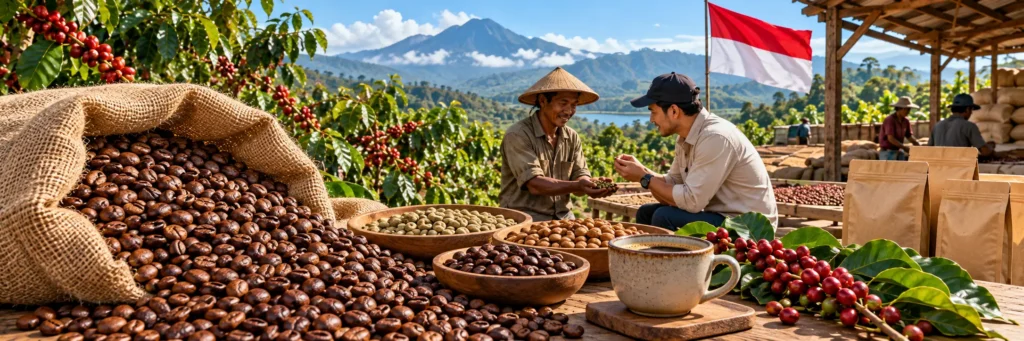
Indonesia grows many famous regional coffees. Mandheling from Sumatra and Toraja from Sulawesi are well known among roasters. However, buyers often see them as separate origins rather than one national story.
Most of Indonesia’s coffee is robusta, grown widely across the archipelago. Arabica comes mainly from highland areas in Sumatra, Sulawesi, Java, and Bali. A single brand could present this diversity as one strength.
Fajarini Puntodewi, the ministry’s Director General of National Export Development, is leading the push. The ministry wants a single image that ties these coffees together. That identity would help buyers link quality with Indonesia itself.
Additionally, a unified brand supports the move up the value chain. Indonesia wants to sell more roasted and processed coffee. Green beans alone earn far less per tonne.
Indonesian Coffee Exports by the Numbers
The export data shows a large and active trade. Production is also substantial, spread across many provinces. The key figures are below.
- Jan-Jul 2026 exports: 208,100 tonnes
- Jan-Jul 2026 export value: About $1.0 billion
- July 2026 export value: $221.4 million
- 2025 production: 832,675 tonnes
- Planted area: About 1.27 million hectares
How the Branding Push Will Work?
The ministry is using trade events to build global awareness. These events put Indonesian roasters in front of foreign buyers. The approach blends promotion with direct deal-making.
Trade Expo Indonesia 2026
The next major showcase is Trade Expo Indonesia 2026. It runs from October 14 to 18 at ICE BSD City. Coffee will feature as a priority export product. Organisers expect buyers from many countries to attend.
Indonesian coffee has also drawn interest at earlier fairs. A Belgian trade fair generated $10.8 million in potential deals, RRI reported. Consequently, officials see trade shows as a proven channel.
From Beans to Value-Added Products
The branding plan also targets processed goods. Roasted beans, ground coffee, and ready-to-drink products earn higher margins. Indonesia wants more of that value to stay at home.
In other words, branding and processing go hand in hand. A strong national name helps premium products stand out on shelves. Additionally, it supports smallholder farmers who grow most of the crop.
Creating a Larger Market for B2B Traders
For roasters and importers, Indonesia offers a wide variety and steady volume. A clearer national brand may simplify origin marketing. It could also lift prices for top lots.
Coffee buyers still need reliable partners on the ground. A digital B2B platform helps importers connect with verified Indonesian coffee exporters. Such platforms make it easier to compare suppliers and grades. That matters as specialty demand grows.
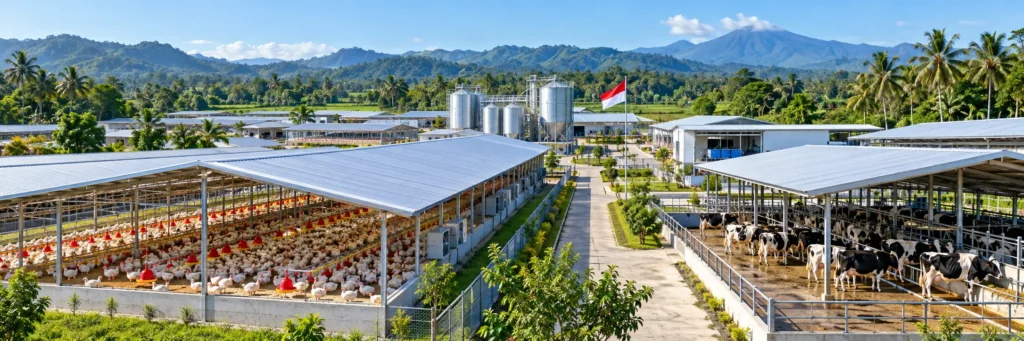
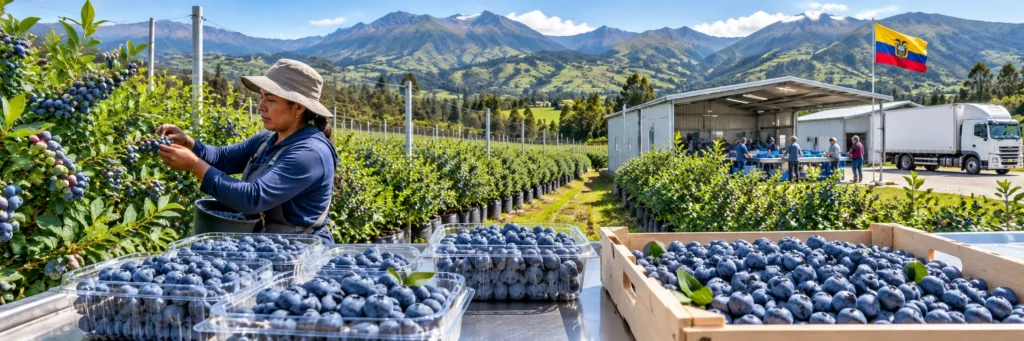
This story fits a wider push in Indonesian agriculture. B2BInside recently covered how Indonesia fast-tracks five integrated poultry and dairy zones. Other origins are chasing premium buyers too. Our report on Ecuador’s premium blueberry export push shows that trend.
Can a National Brand lift Prices?
Branding takes years to change buyer perception. Quality control and traceability must back the message. Without them, a brand name adds little.
Ultimately, Indonesia has the scale and the famous origins to succeed. The Indonesian coffee national brand could help it capture more value. For now, the plan is a strategy, not a finished launch.
Frequently Asked Questions (FAQs)
Indonesia wants buyers to link quality coffee with the country itself. A single brand could lift prices. It also supports value-added exports.
Indonesia exported 208,100 tonnes from January to July 2026. Those shipments were worth about $1.0 billion. July alone brought in $221.4 million.
Mandheling from Sumatra and Toraja from Sulawesi are among the best known. Many other regional origins also exist. The national brand aims to unite them.
Indonesia produced 832,675 tonnes of coffee in 2025. It grows coffee on about 1.27 million hectares. Smallholders farm most of that land.
The expo runs from October 14 to 18, 2026. It takes place at ICE BSD City. Coffee is a featured export product.
The goal is higher value per tonne exported. Officials want more roasted and processed coffee sold abroad. A unified brand supports premium pricing.