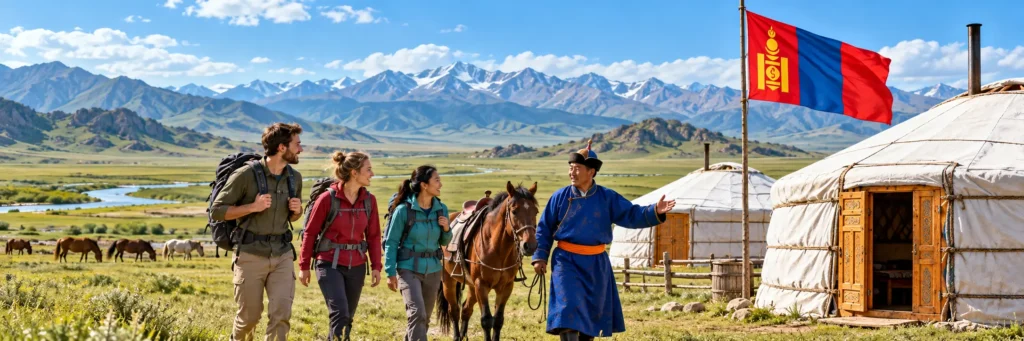
Mongolia is now turning to its most favorable year in terms of tourism in recent years. From January to September 2026, the country received 841,506 foreign tourists. This is up 39.6% from the same period the previous year.
The data was released by the Mongolia Tourism Organization on October 2nd, according to MONTSAME. According to Mongolia Tourism 2026, the number of visitors increased by 238,519 compared to the previous year. That is, growth has picked up significantly. Also, each year of the past has surpassed the previous year.
Essential Statistics
The nine-month total shows steady, compounding growth. September alone added more than 100,000 arrivals. The key figures are below.
- Jan-Sep 2026 arrivals: 841,506
- Year-on-year growth: 39.6%
- Extra visitors vs. 2025: 238,519
- September 2026 arrivals: 107,233
- Peak month: August
Four Years of Rising Arrivals
Mongolia’s visitor numbers have climbed every year since 2023. The comparison below covers the same January to September period. It shows how quickly momentum has built.
The 2026 total is nearly 80% higher than in 2023. Monthly arrivals averaged about 93,500 over the nine months. September’s 107,233 visitors beat that average.
Growth also sped up during 2026. First-half arrivals reached 418,732, up about 25.7%, Asia News Network reported. The summer season then pushed the pace higher. Consequently, the nine-month growth rate climbed to 39.6%.
Where do Mongolia’s Visitors/Tourists come from?
Mongolia’s neighbours supply most of its tourists. Regional demand has proven strong and reliable. However, long-haul markets are also contributing.
Neighbouring Markets Lead
Russia, China, and South Korea are the largest source markets. Their proximity makes short trips easy and affordable. South Korean travellers also benefit from visa-free entry.
These markets form the backbone of Mongolia’s tourism economy. In other words, regional travel drives the bulk of arrivals. MONTSAME did not publish country-level visitor counts.
Long-Haul Markets Follow
Next are Japan, the United States, and Kazakhstan. These tourists are looking for nature and adventure excursions, plus culture. The steppe and Gobi Desert in Mongolia and the nomadic lifestyle are very attractive.
In addition, these markets help to expand visitors to Mongolia beyond their neighbours. That spread minimizes dependency on any one nation. Thus, the long-term demand provides a cushioning effect in the sector.
Why is Mongolia Tourism Growing?
There are several reasons for the increase in arrivals. Visa-free entry reduced obstacles for tourists from South Korea. There is strong demand from neighbouring countries for a solid foundation.
Summer remains the busiest season by far. August recorded the highest arrivals of 2026. September also posted a year-on-year increase. As a result, the peak season keeps getting stronger.
Excellent chance for B2B Buyers to Grow
An increase in arrivals generates demand throughout the travel supply chain. There is a need for more capacity in hotels, tour operators and transport companies. Suppliers are also benefiting from food, furniture, and equipment supplies.
If you’re a hospitality buyer, sourcing is a pressing task. A B2B marketplace assists hotels and tour operators in purchasing supplies from tourism vendors worldwide. These sites facilitate the relationship between furniture, linen, and equipment suppliers and buyers. This access becomes more important as capacity grows.
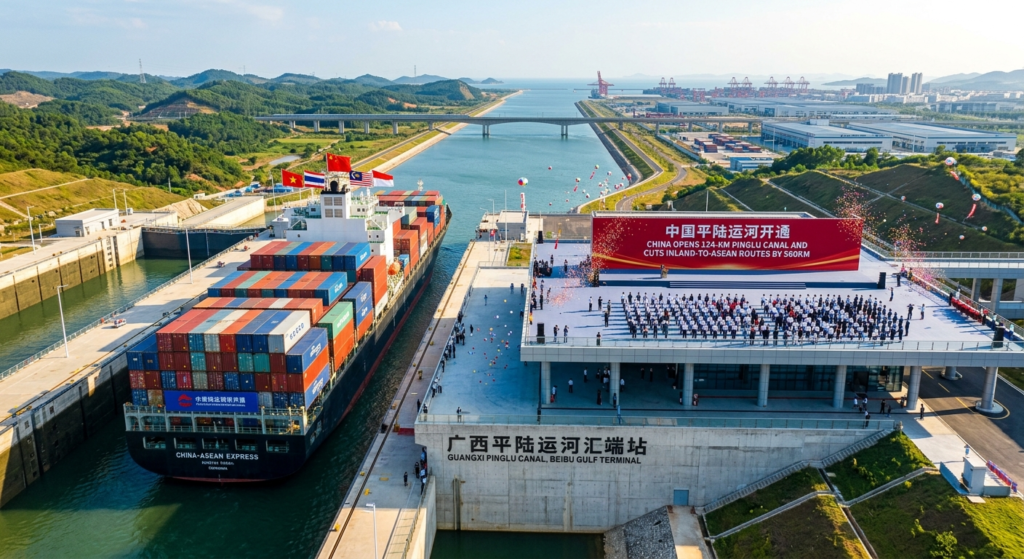
This story fits wider growth in emerging markets. B2BInside covered how Qatar’s industrial base rose to $68 billion. Regional connectivity projects are also opening new routes. Our report on China’s 134-km Pinglu Canal shows that trend.
Can the Growth Continue?
The momentum looks strong heading into late 2026. However, Mongolia’s tourism is highly seasonal. Winter months bring far fewer visitors.
Ultimately, infrastructure will shape the next phase. More hotel rooms and flights could sustain growth. For now, Mongolia tourism 2026 is on track for a record year.
Frequently Asked Questions (FAQs)
From January to September, 841,506 foreigners visited Mongolia. This is 39.6% higher than in the same period last year. In September alone, 107,233 arrived.
The largest sources are Russia, China, and South Korea. Japan, the USA, and Kazakhstan follow. Total arrivals are led by neighbours.
Sales to Russia, China, and South Korea are strong. The growth is encouraged by demand from Russia, China, and South Korea. That’s helped by the fact that South Koreans get visa-free entry too. The number of people who come in during the summer is steadily increasing year after year.
The summer season is the busiest time for travel. In 2026, the highest number of arrivals was recorded in August. During the winter months, there are many fewer visitors.
Nine-month arrivals rose from 468,175 in 2023 to 841,506 in 2026. Year after year, the previous year has been surpassed. The largest increase is in 2026.
The foreign arrivals in Mongolia stood at 107,233 in September. This was better than the monthly average for the first nine months. It was also higher than it was a year ago.
The Mongolia Tourism Organization compiles the data. MONTSAME, the national news agency, reported the figures. They were released on October 2, 2026.