Denmark’s economy grew faster than first thought this spring. Statistics Denmark revised second-quarter growth up to 0.9%. The first estimate had shown just 0.3%.
The Denmark GDP Q2 2026 revision came from updated data. Rising pharmaceutical production abroad was the key driver. In other words, Novo Nordisk once again shaped Denmark’s numbers. Additionally, GDP stood 5.7% higher than a year earlier.
Key Takeaways
- Statistics Denmark revised Q2 2026 GDP growth to 0.9%.
- The first estimate was just 0.3%.
- GDP was 5.7% higher than a year earlier.
- Novo Nordisk’s production abroad drove the revision.
- Employment rose 0.2% in the quarter.
The Revised Figures
The revision added 0.6 percentage points to quarterly growth. That is a large change for a single estimate. The key figures are below.
- Revised Q2 growth: 0.9% quarter-on-quarter
- First estimate: 0.3%
- Annual growth: 5.7% versus Q2 2025
- Employment: Up 0.2% in the quarter
- Main driver: Danish companies’ production abroad, led by Novo Nordisk
Why Novo Moves Denmark’s GDP
Novo Nordisk is one of Europe’s largest companies. Its weight in Denmark’s economy is unusually high. Small shifts in its output can move national figures.
Production Abroad Still Counts
Novo makes many of its medicines in factories outside Denmark. Danish national accounts can still count that output. This happens when the Danish company owns the goods produced abroad.
Lars Olsen, chief economist at Danske Bank, explained the effect. He linked much of the growth to rising production abroad, “not least Novo”. Consequently, the revision says as much about Novo as Denmark.
Volatile Quarterly Data
This reliance makes quarterly GDP figures swing widely. Earlier in 2026, some data releases were revised lower amid Novo weakness. Now the revision has gone the other way.
In other words, headline GDP can mislead on its own. Economists therefore look at other indicators too. Jobs data offers a steadier picture.
Jobs Point to a Healthy Economy
Employment rose 0.2% during the second quarter. That suggests broad strength beyond the pharmaceutical sector. Companies are still adding staff.
Erik Bjørsted, chief economist at Dansk Metal, highlighted this point. He said continued hiring is a clear sign the economy is still performing well. He also called jobs a more reliable guide than quarterly GDP.
Olsen added that Denmark is performing extremely well compared with other countries. Additionally, low unemployment supports household spending.
B2B Buyers and the Denmark Market
Denmark’s strength supports demand for imports and services. Pharmaceutical supply chains are especially active. Suppliers of packaging, equipment, and ingredients may benefit.
For suppliers targeting Nordic buyers, visibility is essential. A global B2B marketplace helps suppliers reach Danish and European industrial buyers. Such platforms connect manufacturers with procurement teams across borders. That access matters as demand stays firm.
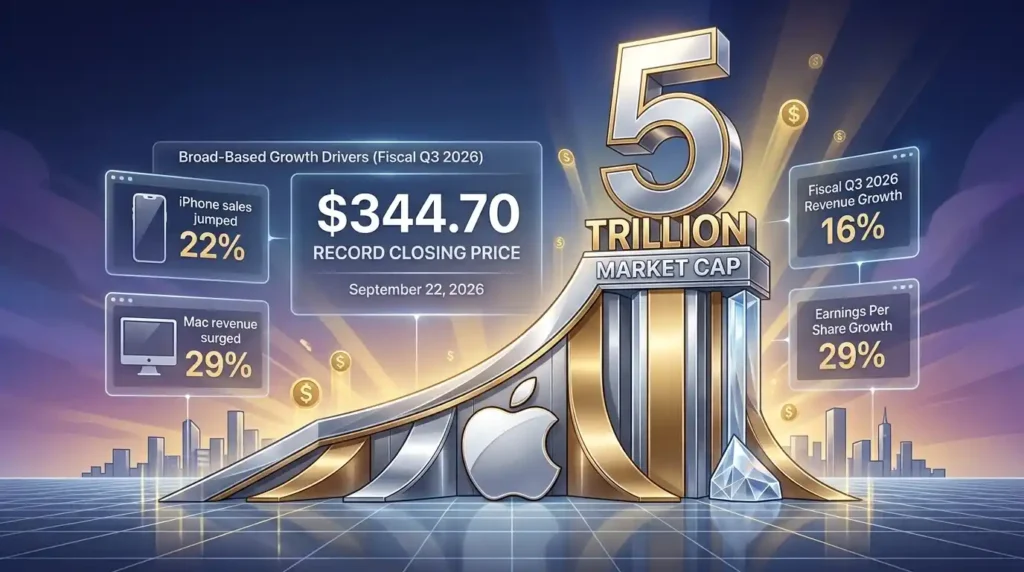
This story highlights how big companies move national data. B2BInside covered how Apple hit a $5 trillion market value. Price data also shapes economic stories elsewhere. Our report on Pakistan’s re-accelerating price index shows that link.
Can Denmark maintain this momentum?
Denmark’s economy looks solid on most measures. Hiring continues, and output is growing. However, its dependence on Novo remains a risk.
Ultimately, the Denmark GDP Q2 2026 revision confirms resilience. Yet it also shows how one company can swing national data. For now, the jobs market offers the clearest signal of strength.
Frequently Asked Questions (FAQs)
Denmark’s GDP grew 0.9% in the second quarter, after revision. It was 5.7% higher than a year earlier. Employment also rose 0.2%.
Statistics Denmark used updated data in its calculations. The new data showed higher production abroad. Novo Nordisk’s output was the main factor.
Novo is very large relative to Denmark’s economy. Its production abroad can count in Danish GDP. Small changes in its output move national figures.
Novo’s weight makes quarterly GDP volatile. However, rising employment shows wider strength. Economists watch jobs data as a steadier guide.
The first estimate showed 0.3% growth. The revision lifted it to 0.9%. That is a 0.6 percentage point increase.
Statistics Denmark publishes the official GDP data. It released the revised Q2 figures in late September 2026. The revision used updated source data.
Yes, employment rose 0.2% in the second quarter. Economists see continued hiring as a sign of strength. Jobs data is less volatile than GDP.