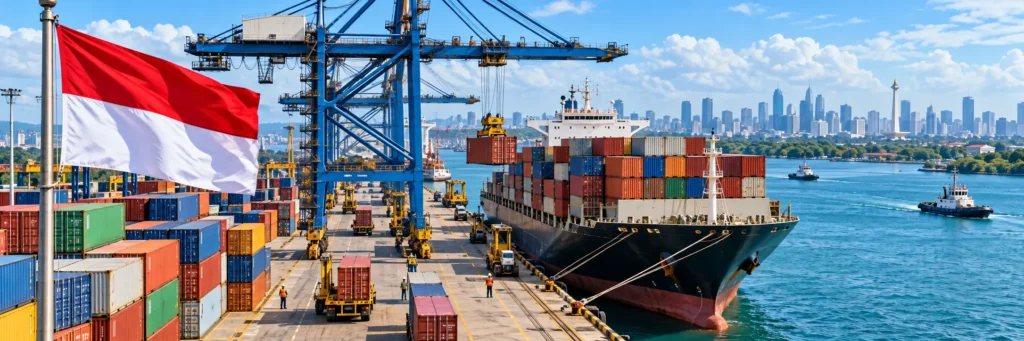
The trade balance has turned around rapidly in Indonesia. With a $3.55 billion surplus in August 2026, it is compared to the previous year’s $0.12 billion surplus in July. The data came from Statistics Indonesia (BPS) on October 2.
Indonesia’s trade surplus in August 2026 lifted the year-to-date total. The January to August surplus now stands at $7.25 billion. In other words, the trade balance has regained momentum. Additionally, Bank Indonesia welcomed the result.
Key Statistics:
- Indonesia’s trade surplus rose to $3.55 billion in August 2026.
- July’s surplus was only $0.12 billion.
- The January to August surplus reached $7.25 billion.
- The non-oil and gas surplus nearly doubled to $6.09 billion.
- China, the US, and India remain the top export markets.
Non-oil and gas trade drove the August rebound. Energy trade remained in deficit, but that gap narrowed. The main figures are below.
- August surplus: $3.55 billion
- July surplus: $0.12 billion
- Non-oil and gas exports: $25.62 billion
- Non-oil and gas surplus: $6.09 billion, up from $3.10 billion
- Oil and gas deficit: $2.54 billion, down from $2.98 billion
- Jan-Aug 2026 surplus: $7.25 billion
What drove the Rebound?
The surplus nearly doubled in the non-oil and gas segment. Commodity and manufacturing exports carried most of the gain. Meanwhile, a smaller energy deficit added support.
Commodity and Manufactured Exports
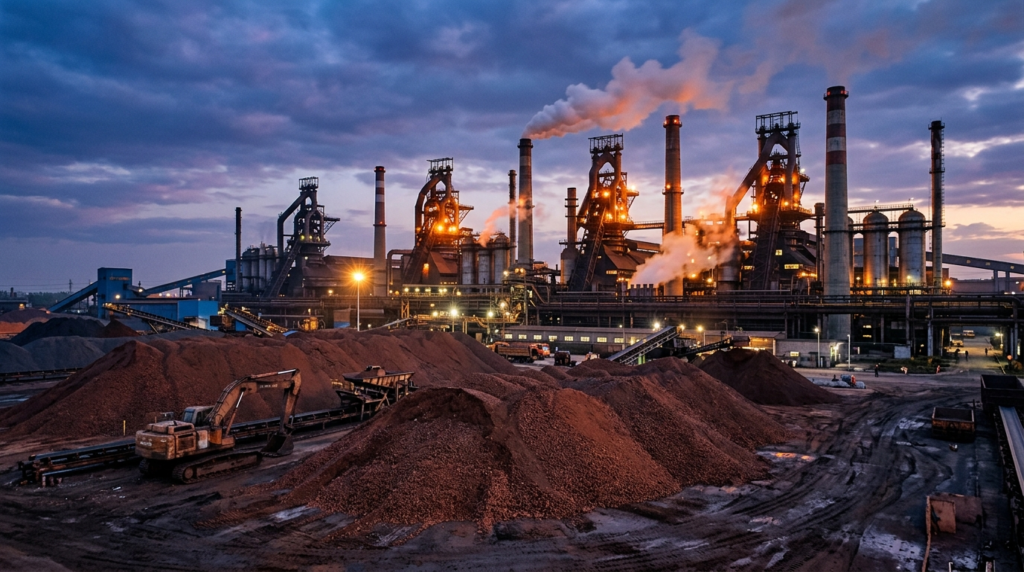
Natural resource products led Indonesia’s exports. These include nickel derivatives and animal or vegetable fats and oils. Palm oil sits within that category. Precious metals, jewellery, and gems also contributed.
Manufactured chemical products added further strength. Consequently, export earnings stayed broad-based. That spread reduces reliance on any single commodity.
Top Export Markets
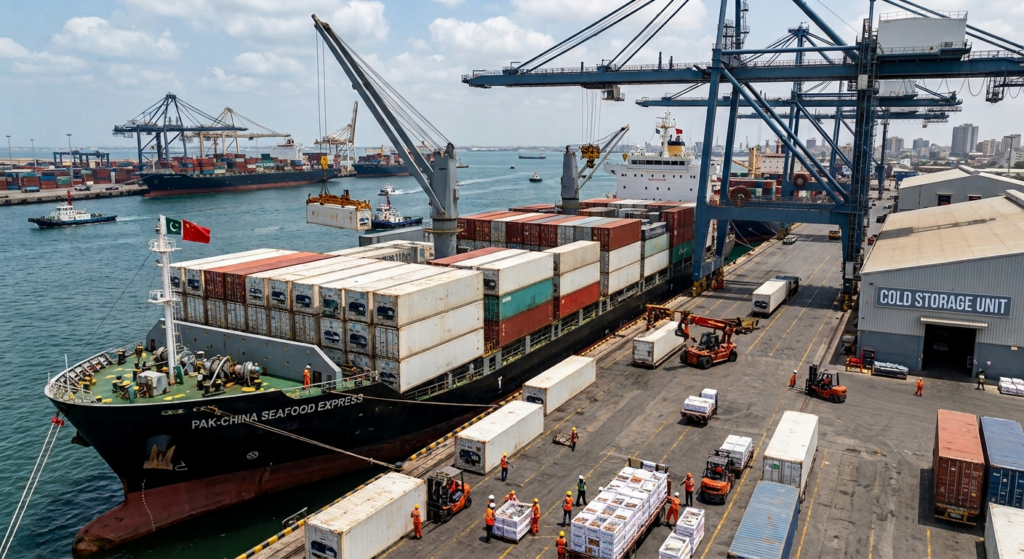
China remained Indonesia’s largest non-oil and gas buyer. The United States and India followed. These three markets anchor demand for Indonesian goods.
In other words, Asia and the US drive the trade balance. Shifts in their demand can swing monthly results. Therefore, buyers watch these markets closely.
Why does the Energy Deficit matter?
Indonesia is a net importer of oil and gas products. That gap drags on the overall trade balance each month. In August, the energy deficit narrowed to $2.54 billion. It had been $2.98 billion in July.
In other words, a smaller energy bill freed up more of the surplus. Lower fuel import costs would support that trend further. However, energy prices remain hard to predict.
Bank Indonesia’s View
Bank Indonesia sees the surplus as a positive signal. Communication Director Ramdan Denny Prakoso said it supports external resilience. A stronger surplus can help stabilise the rupiah.
The central bank also pledged closer coordination with the government. It aims to protect external stability and support growth. Additionally, steady surpluses help build foreign exchange reserves.
B2B Buyers and the Indonesian Trade Market
Indonesia continues to be one of the biggest exporters of commodities and processed goods. Exports are relied upon by purchasers of nickel products, palm oil, and chemicals. A positive number indicates a stable supply.
Importers must find reliable Indonesian partners. A global B2B marketplace helps buyers gain access to commodities from proven Indonesian exporters. These platforms make it easier to find suppliers in numerous industries.
This story ties into wider Asian trade momentum. B2BInside covered how Indonesia fast-tracks five integrated poultry and dairy zones. China’s export machine is also reshaping trade. Our report on China exporting 6.2 million cars in eight months shows that scale.
Can the Surplus Hold?
The August rebound is encouraging. However, monthly trade data can swing widely. Commodity prices and Chinese demand remain key risks.
Ultimately, Indonesia’s non-oil exports show real resilience. The narrowing energy deficit also helps. For now, the Indonesia trade surplus August 2026 figure signals renewed strength.
Frequently Asked Questions (FAQs)
Indonesia posted a $3.55 billion surplus in August. That was up from $0.12 billion in July. BPS released the data on October 2.
The January to August surplus reached $7.25 billion. August contributed nearly half of that total. Non-oil and gas trade led the gains.
China is the largest buyer of non-oil and gas goods. The United States and India follow. Together they anchor export demand.
Key exports include nickel derivatives and vegetable oils. Precious metals and chemical products also feature. Most are resource-based goods.
A larger surplus supports external resilience, Bank Indonesia said. It can help stabilise the currency. It also supports foreign exchange reserves.
July posted only a $0.12 billion surplus. The non-oil and gas surplus was just $3.10 billion. A larger energy deficit also weighed on the balance.
Yes, oil and gas trade runs a deficit. It reached $2.54 billion in August 2026. That was down from $2.98 billion in July.