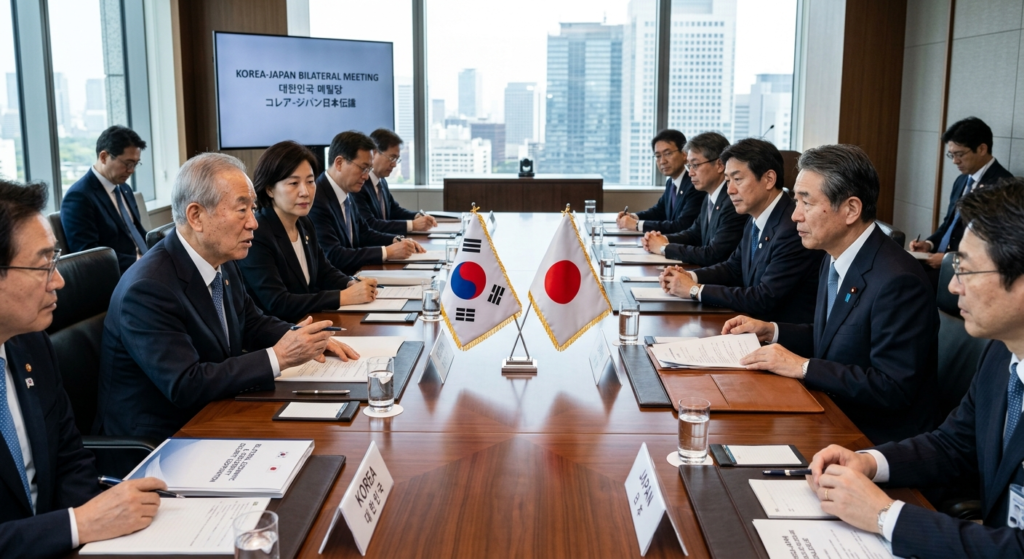
Japan and South Korea have taken a notable step in energy cooperation. The two countries held their first implementation meeting in Tokyo. The meeting took place on September 2, 2026. It focused on their industrial supply chain and LNG partnership. In other words, two major economies are now coordinating energy security.
The meeting builds on agreements signed earlier in 2026. In March, both governments signed a Supply Chain Partnership Arrangement. Japan’s Ministry of Economy, Trade and Industry led the effort. South Korea’s Ministry of Trade, Industry and Resources joined it. The new meeting turned that framework into practical cooperation.
Energy sits at the heart of the Japan-South Korea LNG partnership. Both nations depend heavily on imported fuels for their economies. They rely on imports for industry, electricity, and transport. Petrochemical production also depends on steady fuel supplies. Consequently, any supply disruption poses a serious economic risk.
The partnership covers several concrete areas of cooperation. It includes crude oil and petroleum product swaps between the two. It also covers mutual supply arrangements during shortages. Cooperation on crude procurement and transportation features prominently. Additionally, both sides aim to avoid emergency export restrictions on each other.
Liquefied natural gas cooperation received particular attention at the meeting. JERA of Japan and KOGAS of Korea signed an earlier agreement. That deal focused on optimizing LNG operations between them. It aims to enhance LNG operational flexibility for both partners. In addition, it deepens mutual LNG supply during emergencies.
The logic behind the partnership is straightforward and practical. Both countries face similar energy vulnerabilities and shipping risks. Regional shipping route disruptions could threaten fuel deliveries. Rather than respond alone, the two will pool resources. They plan to leverage complementary infrastructure and storage facilities. Their commercial networks can also support each other during crises.
This approach reflects a wider shift in Asian energy strategy. Energy security has climbed the policy agenda across the region. Governments increasingly view supply chains as strategic assets. In other words, resilience now matters as much as price. Japan and Korea are responding to that new reality together.
For B2B audiences, the cooperation carries real commercial weight. Stable energy supply underpins manufacturing and industrial output. Both countries host major auto, electronics, and steel industries. Disruptions to fuel supply would ripple through those sectors. Therefore, a coordinated safety net supports industrial competitiveness.
The partnership also signals warmer economic ties between neighbours. Japan and Korea have long had a complex relationship. Energy cooperation offers a pragmatic area for collaboration. Additionally, it strengthens both economies against external shocks. Ultimately, shared vulnerability has become a reason to cooperate.
Businesses that depend on stable industrial inputs will watch closely. Reliable energy and materials keep supply chains running smoothly. Global B2B marketplaces such as Industrytc help firms diversify sourcing. Such platforms connect buyers with suppliers across many markets. That flexibility matters most when energy supply looks uncertain.
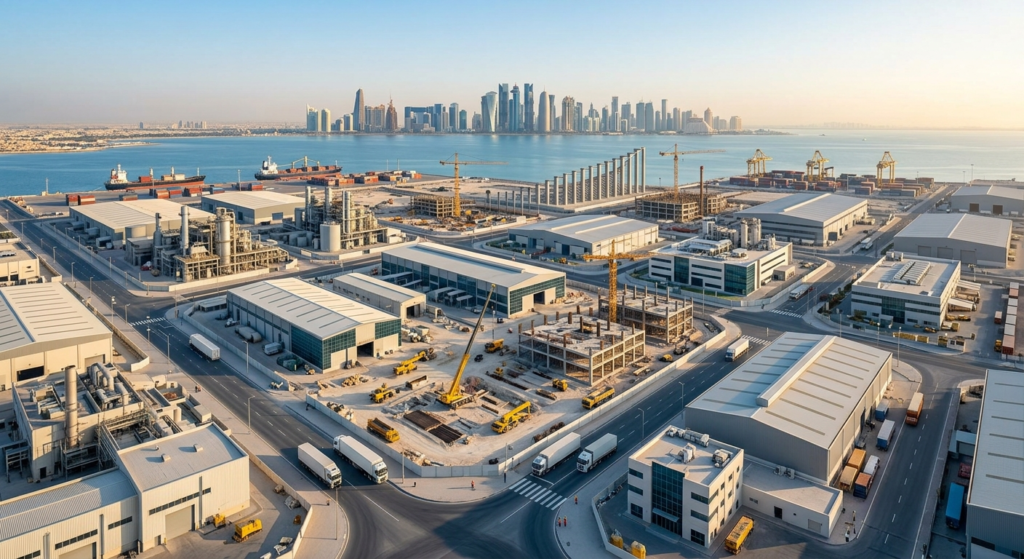
The energy focus also links to broader industrial investment trends. B2BInside has covered how nations expand their industrial base. Our report on Qatar’s industrial base rising to $68 billion shows this. Both stories reflect how energy and industry drive strategy. In other words, secure inputs support long-term economic growth.
Ultimately, the Tokyo meeting is a first practical step. It converts a signed framework into working cooperation. Both governments still need to define specific commitments. The article did not detail exact volumes or named officials. Yet the direction of travel is now clear.
Whether the partnership deepens will depend on follow-through. Energy emergencies test cooperation more than calm periods do. However, the framework gives both sides a head start. In addition, it sets a template for regional energy resilience. For now, Japan and Korea have chosen coordination over isolation.
The broader regional backdrop makes the timing significant. Global energy markets have grown more volatile lately. Conflicts and shipping risks threaten fuel supply routes. Both Japan and Korea import almost all their gas. Consequently, a shared response reduces individual exposure. In other words, cooperation spreads the risk more safely.
The move may also encourage similar regional deals. Other Asian economies face the same import dependence. A successful Japan-Korea model could inspire wider cooperation. Additionally, it could support joint procurement to improve pricing. Larger combined orders often secure better supply terms. Ultimately, collective action can strengthen bargaining power.
The partnership fits a growing focus on supply chain security. Companies and governments now prize resilience over pure efficiency. Recent years exposed the fragility of global supply chains. As a result, buffer stocks and backup suppliers gained value. Japan and Korea are applying that lesson to energy. In addition, they are treating fuel as a strategic reserve.
The cooperation could extend into other resource areas too. Both nations import critical minerals and metals. Those inputs feed their advanced technology industries. Coordinating supplies would reduce shared vulnerabilities. Additionally, joint stockpiles could cushion sudden shortages. Therefore, energy may be only the first step.
Ultimately, the meeting reflects pragmatic economic thinking. Two rivals found common ground in shared risk. Energy security offered a neutral, practical starting point. Success here could build trust for wider cooperation. In other words, mutual need is driving mutual effort. For now, the direction points toward deeper partnership.