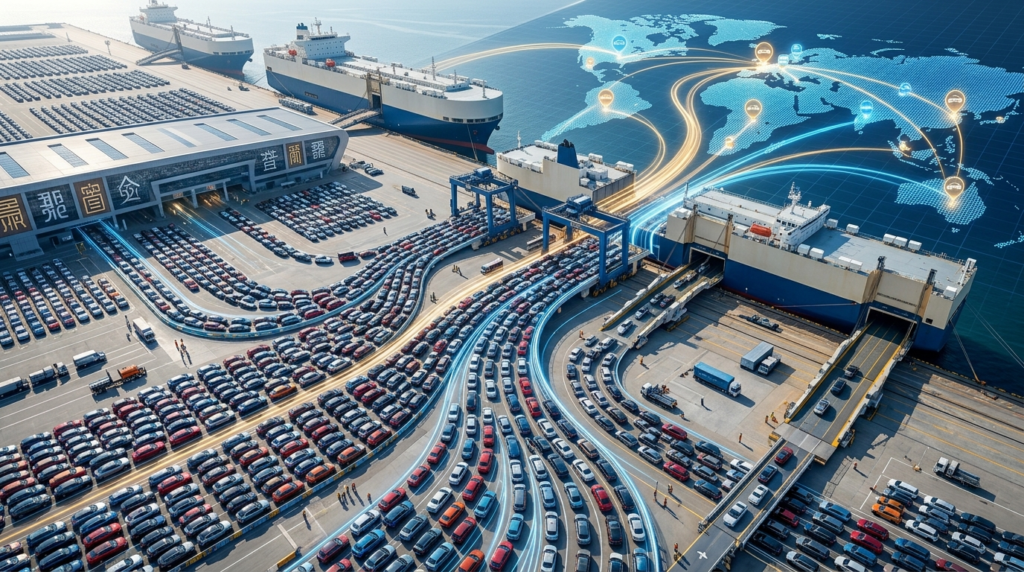
China has shattered its own car export record at remarkable speed. The country exported 6.2 million passenger vehicles this year. That figure covers only the first eight months of 2026. It already surpasses the roughly 6 million exported in all of 2025. In other words, China beat a full year in eight months.
The monthly numbers show the pace clearly. August exports reached about 890,000 passenger vehicles. That marked a 67.1% jump from the same month last year. Such growth reflects surging global demand for Chinese cars. Additionally, electric vehicles are driving much of this momentum.
Electric and hybrid vehicles sit at the centre of the story. Plug-in hybrids and pure electric models lead export growth. Global EV sales rose about 35% during the period. Overall global auto sales, by contrast, fell around 5%. In other words, electric cars are outpacing the wider market. China car exports increasingly mean electric vehicle exports.
Analysts expect the strong run to continue this year. S&P Global Ratings projects major full-year export growth. It forecasts a 50% to 70% rise in passenger vehicle exports. That would cement China as the world’s top car exporter. Consequently, global rivals face intensifying competition abroad.
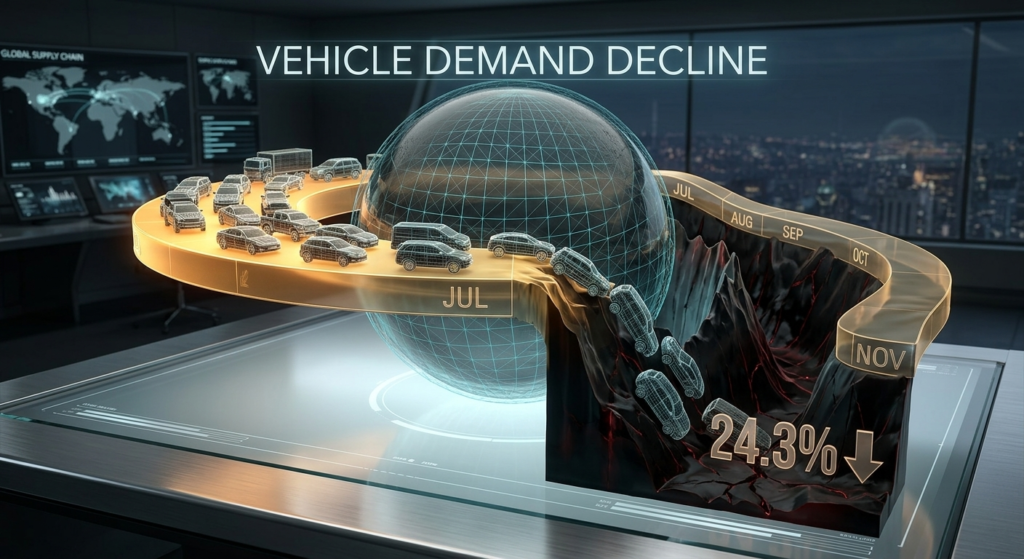
The export boom contrasts sharply with the home market. Domestic passenger car sales fell 25.6% in August. Sales dropped to about 1.5 million vehicles that month. Intense competition and price wars hurt domestic demand. Weakened consumer confidence added further pressure at home. Therefore, exports have become a vital growth outlet.
An S&P Global analyst summarised the situation neatly. The analyst said strong export growth will largely offset domestic weakness. In other words, foreign demand is rescuing Chinese automakers. It gives them volume that the home market cannot provide. Additionally, it supports factory utilisation and jobs.
The export destinations reveal a clear global strategy. Europe, Latin America, Africa, and Southeast Asia take rising volumes. These markets welcome affordable and advanced Chinese electric cars. The United States, however, remains largely blocked. High tariffs keep most Chinese cars out of America. As a result, automakers focus their energy on other regions.
Chinese carmakers are also changing how they expand abroad. Many now build overseas manufacturing facilities directly. Local plants help reduce tariffs and logistics costs. They also ease political tension in host countries. In other words, exporters are becoming local producers too. This shift marks a new phase of globalisation.
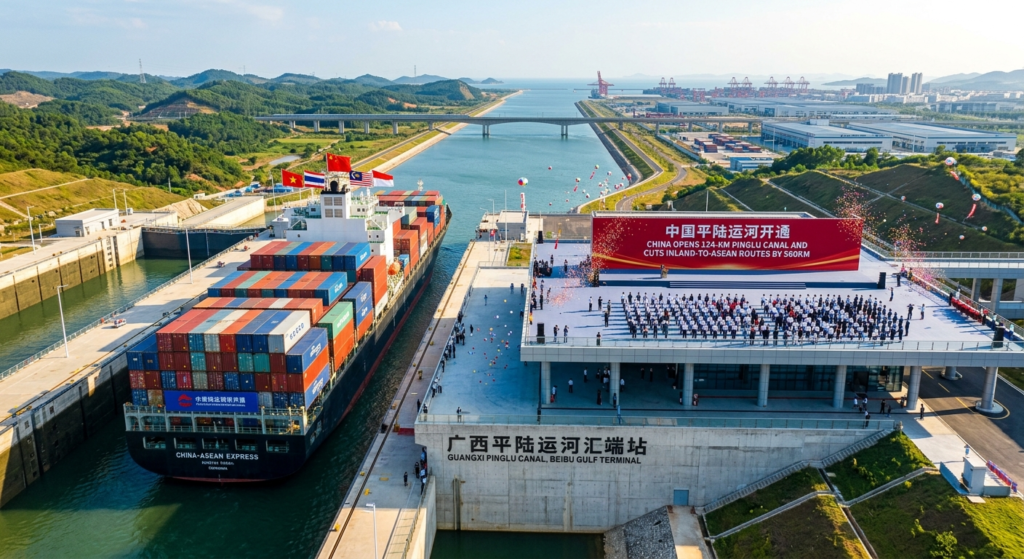
For B2B audiences, the trend reshapes the auto supply chain. Rising exports lift demand for parts and components. Battery makers and electronics suppliers benefit strongly. Logistics firms handling vehicle shipping also gain business. Additionally, dealers and distributors abroad expand their networks.
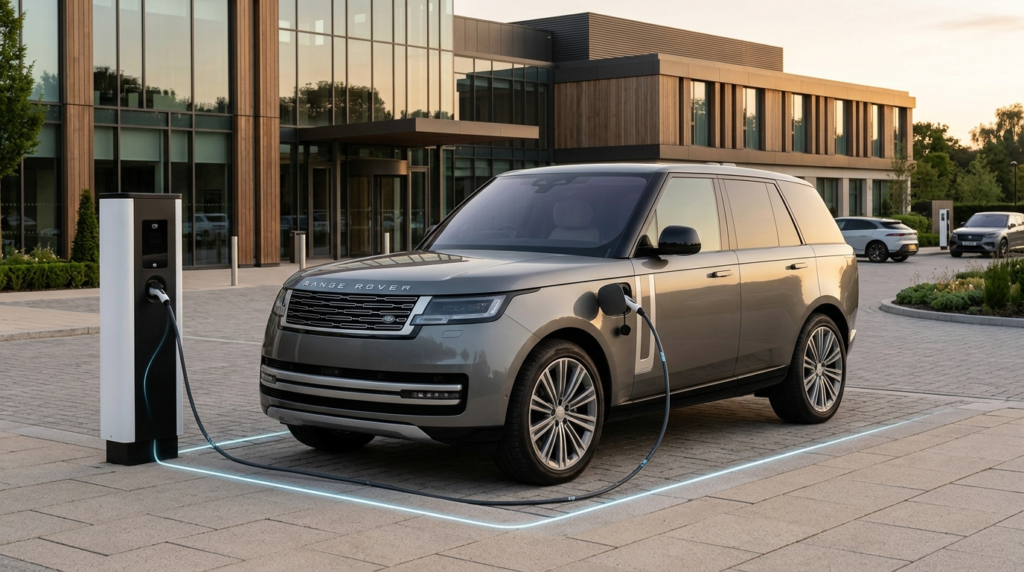
The EV surge also pressures legacy automakers worldwide. Established brands must respond to cheaper electric rivals. B2BInside covered how Range Rover launched its first electric model recently. Both stories reflect the global race toward electric vehicles. In other words, competition is intensifying across every market.
Businesses trading vehicles and parts need strong global links. Exporters must connect with buyers across many regions. Global B2B marketplaces such as Industrytc support that reach. Such platforms link automotive suppliers with international buyers. That connectivity matters as Chinese exports spread worldwide.
The scale of the shift is hard to overstate. China now exports more cars than any nation. Its electric vehicle lead keeps widening each month. Additionally, overseas factories will deepen its global footprint. Ultimately, the balance of the auto industry is shifting.
Whether the pace holds is an open question. Some analysts warn export growth may eventually slow. Trade barriers and local competition could rise abroad. However, the current numbers remain extraordinary by any measure. For now, China car exports are rewriting the record books.
The scale reflects years of heavy investment in EVs. China built a deep electric vehicle supply chain. It controls much of the global battery industry. That advantage keeps its cars affordable and advanced. Consequently, Chinese brands compete strongly on price. In other words, industrial policy is paying off abroad.
The export surge also raises trade tensions globally. Europe has probed Chinese electric vehicle subsidies. Some markets have imposed or threatened new tariffs. The United States already blocks most Chinese cars. Additionally, local carmakers lobby for more protection. Therefore, the export boom faces growing political friction.
Building factories abroad is China’s answer to that friction. Local production sidesteps many import tariffs. It also creates jobs in host countries. That goodwill can ease political resistance over time. In addition, nearby factories cut shipping costs and delays. Ultimately, Chinese automakers are localising to protect growth.
For suppliers worldwide, the shift creates both risk and opportunity. Chinese demand for components keeps rising sharply. Yet local rivals face tougher price competition. Firms must adapt to a changing global market. In other words, the auto industry is being redrawn.