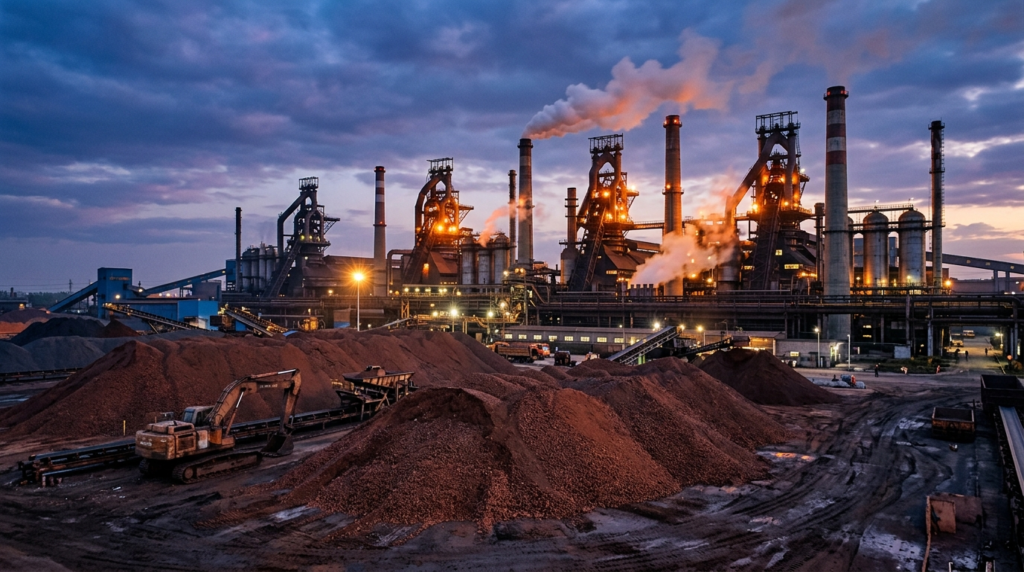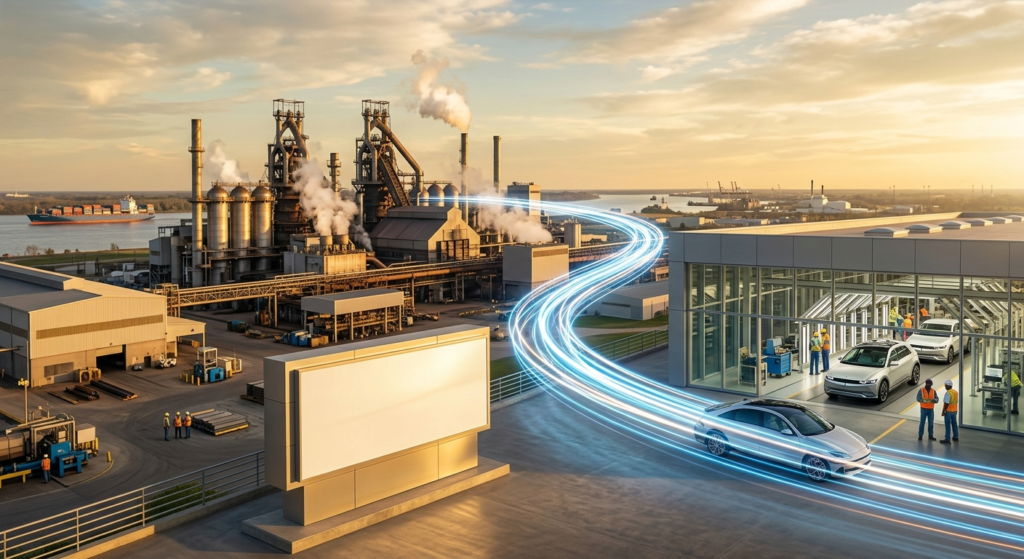
Hyundai and POSCO have made a major bet on American steel. The two Korean giants broke ground on a huge new plant. The Hyundai POSCO Louisiana steel plant will cost $5.8 billion. Construction began in early September 2026 in Donaldsonville. The move aims to secure the US auto supply chain.
The project marks a global first for both companies. It is their first joint venture producing automotive sheet steel. The plant will use electric arc furnace technology. That method offers a lower-carbon path than traditional blast furnaces. In other words, the mill blends scale with cleaner production.
The scale of the facility is substantial. The plant will have an annual capacity of 2.7 million tonnes. Production is scheduled to begin in the year 2029. The site sits on a former sugarcane field in Louisiana. It spans more than 7 million square metres in total. Additionally, it will become a fully integrated steel facility.
The employment impact will be significant for the region. The project is expected to create around 5,400 jobs. That includes roughly 1,300 direct positions at the mill. Another 4,100 indirect roles will support the operation. Consequently, the plant offers a major local economic boost.
The strategic purpose behind the plant is clear. The United States imposed steep 50% tariffs on steel. Those tariffs raise costs for importers of foreign steel. Building locally lets the companies avoid that tariff burden. In other words, the mill turns a trade barrier into an advantage.
The plant will supply the American automotive industry directly. It sits close to several major car factories. Hyundai’s Alabama plant and Kia’s Georgia plant are nearby. GM in Texas and Honda in Alabama are also close. Additionally, Volkswagen’s Tennessee plant lies within reach. This proximity strengthens the regional auto supply chain.
Location advantages extend well beyond nearby carmakers. Donaldsonville offers access to the Mississippi River. That access allows large Panamax vessels to dock. Major rail lines also serve the site directly. Energy costs there run lower than in Korea. Therefore, the location supports efficient, competitive production.
The ownership structure reflects a broad partnership. Hyundai Steel holds a 50% stake in the venture. Hyundai Motor and Kia each hold 15%. POSCO owns the remaining 20% share. This mix ties steelmakers and carmakers together. In other words, buyers and suppliers share the same project.
Company leaders framed the plant as strategically vital. Executive Chair Euisun Chung spoke about its broad importance. He said the mill will support many major industries. Those range from artificial intelligence data centres to power generation. Additionally, senior Korean and US officials attended the ceremony.
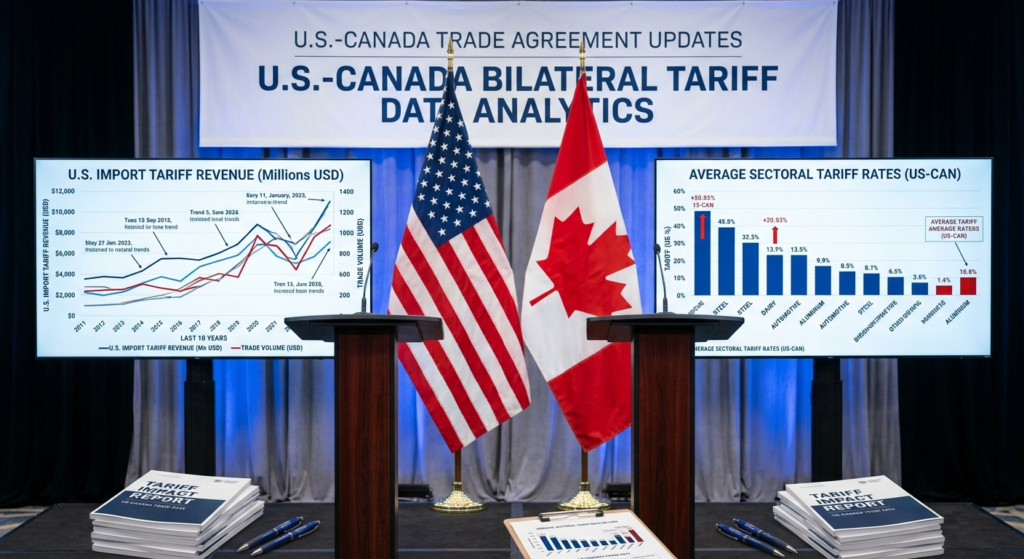
For B2B audiences, the plant signals a reshoring trend. Tariffs are pushing manufacturers to build closer to customers. Local steel reduces exposure to trade policy shifts. It also shortens supply chains and cuts logistics risk. B2BInside covered how new tariffs followed the US-Canada trade talks recently. Both stories show tariffs reshaping industrial investment decisions.
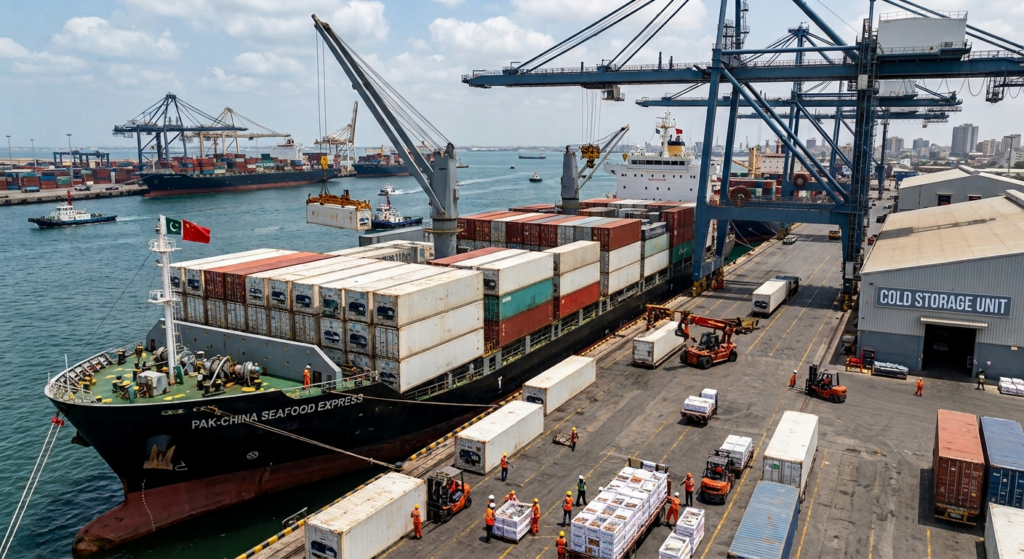
Manufacturers sourcing steel and components watch these moves closely. Reliable material supply keeps production lines running. Global B2B marketplaces such as Industrytc connect industrial buyers and suppliers. Such platforms help firms find verified material partners. That reach matters as supply chains localise worldwide.
The plant also reflects deeper Korea-US industrial ties. Korean firms are investing heavily in American manufacturing. Steel, batteries, and autos all feature in that push. Additionally, the investment supports US industrial policy goals. Ultimately, both countries gain from the arrangement.
Whether the bet pays off depends on several factors. Steel demand, energy costs, and tariffs will all matter. Production only begins in 2029, so patience is required. However, the strategic logic looks strong today. For now, Hyundai and POSCO are building for the long term.
The project also advances cleaner steel production goals. Electric arc furnaces emit far less carbon than blast furnaces. They melt recycled scrap using electric power. That approach suits tightening emissions rules in the US. Additionally, automakers increasingly demand lower-carbon materials. In other words, green steel is becoming a selling point.
The venture ties two industries together in one place. Steelmakers gain guaranteed automotive customers. Carmakers gain a secure, local steel supply. That vertical integration reduces risk for both sides. Consequently, the partners share both cost and reward. In addition, it shields them from volatile import markets.
The plant reflects a broader wave of Korean investment. Korean firms have poured money into US factories. Batteries, chips, and cars all feature in that trend. Government incentives on both sides encourage the shift. Additionally, proximity to customers improves responsiveness. Ultimately, the investment strengthens transatlantic industrial ties.
For the local economy, the impact will be lasting. Thousands of jobs will support the region for years. Suppliers and service firms will cluster nearby. In other words, the mill anchors wider economic activity. The benefits extend well beyond the plant gates.