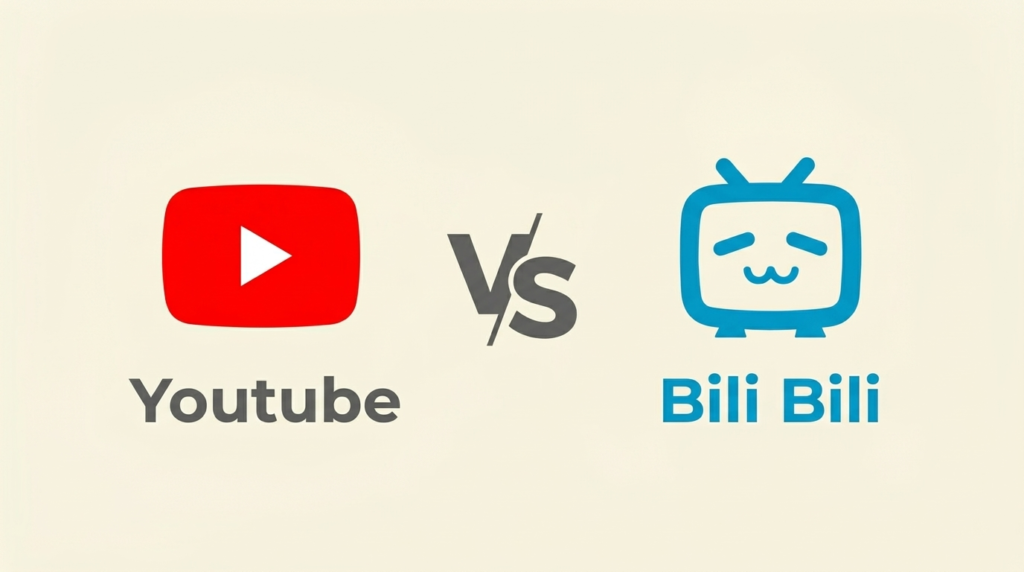
- Bilibili has launched an international app and English site, reportedly paying creators up to $0.70 per 1,000 views.
- With 376M monthly active users and 119 minutes of average watch time, it is squaring up directly against YouTube.
- Local teams in LA, London, Mexico City, São Paulo, Istanbul and Tokyo signal a serious global push, not a passive listing.
- Bilibili — Chinese video platform driving the global creator-payout expansion.
- YouTube — the incumbent whose creator-economy dominance is being challenged.
- OpenAI — cited for its own new advertising market via ChatGPT Ads.
Inside Bilibili’s Global Expansion to Challenge YouTube
China's Bilibili has launched an international app and English-language website, and is reportedly looking to pay creators around the world as much as $0.70 per 1,000 views, targeting YouTube in particular. With its launch on Android on August 19, 2026, the Bilibili global expansion will be one of the direct threats to YouTube's longstanding supremacy in the online-video and creator-economy market.
Bilibili by the Numbers: 376 Million Users and 119-Minute Watch Times
According to Bilibili numbers, which have been consistently reported on Brandsynario, ProPakistani and TechJuice, the monthly active users are 376 million while the daily active users are 115 million with an Average Watch time of 119 minutes per user. The company is creating local teams in Los Angeles, London, Mexico City, São Paulo, Istanbul and Tokyo to support its international expansion push, rather than it being merely a passive app-store listing. Bilibili’s overseas monetisation push mirrors a wider scramble for ad dollars, much like OpenAI opening a new corporate advertising market with ChatGPT Ads.
Bilibili’s launch-market teams span six cities across three continents:
- Los Angeles and London — mature English-language creator hubs
- Mexico City and São Paulo — high-growth Latin American audiences
- Istanbul and Tokyo — bridge markets into EMEA and Asia
How Bilibili’s $0.70 per 1,000 Views Payout Works
The $0.70 per 1,000 views is the top-line figure, but each source reports it as a figure, not an officially confirmed one by the company, and earnings per view range. Bilibili calculates payouts by reference to valid watch time, completion rates, engagement and video quality with a maximum base creator reward of around 2,000 yuan (about $280) per month, which is not the case with ad-revenue sharing. In comparison, YouTube shares 55% of long-form ad revenue with creators; if Bilibili hopes to win over creators around the world to take its approach, it will need to make it a viable option for them.
Lower Barriers Draw International Creators
The comparison is important for the larger creator economy. Put another way, Bilibili isn't just providing an alternate platform; it's attempting to determine if a different creator monetisation model can appeal to creators who feel that YouTube's business model isn't doing them much service. The platform has eliminated previous restrictions, like passport scans and onerous verification processes, that made it difficult for international creators to join. Furthermore, Bilibili cited the success of creators like MrBeast, who has amassed over 8.8 million subscribers on the platform, as evidence that Western creators can attract an audience in China. That international push echoes other China-linked companies chasing global capital, such as Shein’s Hong Kong stock-market debut.
Bilibili vs YouTube: A Multi-Stream Monetisation Model
The unique thing about Bilibili is that it is a community-based, user-generated-content website. The platform's most notable feature is its “danmu” (bullet comments), which display viewer reactions as they watch videos in real time without any delay, unlike the comment thread on YouTube. It doesn't just rely on ad revenue sharing for monetization, but also offers the Sparkle Ad Platform for native sponsorships, fan charging and virtual gifting during livestreams, e-commerce integrations, and direct brands. Platforms are testing premium tiers too, as Apple hints at an AI paywall for Siri.
The table below contrasts how the two platforms pay and engage creators, drawing only on the figures reported in this article:
| Dimension | Bilibili | YouTube |
|---|---|---|
| Headline per-view rate | Reported ~$0.70 per 1,000 views (not officially confirmed) | 55% share of long-form ad revenue |
| Base reward cap | ~2,000 yuan (about $280) per month | No fixed monthly cap |
| Extra revenue streams | Sparkle Ad Platform, fan charging, virtual gifting, e-commerce, brand deals | Primarily per-view ad-revenue share |
| Community feature | “Danmu” real-time bullet comments | Threaded comments |
Why Stacked Economics Beat a Single Per-View Rate
This mix of different revenue streams is the key to Bilibili's competitive edge. Unlike YouTube, which is built mainly on a per-view ad-revenue-share business model, Bilibili is marketing a variety of overlapping income streams, a creator monetisation model that can be more important to creators than any one rate per view. In isolation, a $0.70 per 1,000 views seems small, but add virtual gifting, fan subscriptions, e-commerce commissions, to name a few brand deals, and the earning potential is what the platform is asking creators to consider. Say what you want, but more significant than the headline is the stacked economics behind it, and Bilibili's making a bet that that'll be done by international creators. Consolidation is reshaping adjacent digital sectors too, as in Uber’s $14.8B Delivery Hero acquisition.
What Bilibili’s Global Expansion Means for B2B Brands
That last category is where the B2B stakes come into focus. For brands and businesses, a credible new global video platform means a new channel to reach audiences, run sponsorships, and sell products. Also, companies evaluating where to place marketing budgets or source promotional partnerships increasingly use global B2B marketplaces such as Industrytc.com to connect with suppliers, distributors, and partners across international markets. Ultimately, a platform with 376 million users is not just a creator destination but a potential commerce and advertising surface.
The move also fits a pattern of intensifying competition over digital-platform monetization. B2BInside recently covered how OpenAI launched ChatGPT ads in India, opening a new corporate advertising market, a parallel example of platforms racing to build advertising and monetization models that challenge incumbents. In addition, both stories point to the same underlying shift: the economics of attention are being renegotiated across video, search, and conversational AI simultaneously.
The Open Question: Can Domestic Scale Go Global?
Whether Bilibili can convert its domestic scale into genuine global traction remains the open question. YouTube's network effects, creator relationships, and advertiser base are formidable, and a reported per-view rate alone rarely moves established creators. But with a global app, local teams in six major cities, and an aggressive monetization pitch, Bilibili has made its intentions unmistakable, the contest for the global creator economy just gained a serious new entrant. The move continues a wave of Chinese tech giants going global, echoing Alibaba’s revenue-versus-AI-investment balancing act.
Frequently Asked Questions (FAQs)
Bilibili’s global expansion is the launch of an international app and English-language website, which debuted on Android on August 19, 2026, to challenge YouTube in the online-video and creator-economy market. Bilibili is backing the push with local teams in Los Angeles, London, Mexico City, São Paulo, Istanbul and Tokyo rather than a passive app-store listing.
Bilibili reportedly pays up to $0.70 per 1,000 views, though sources report this as a figure that is not officially confirmed by the company. Payouts are calculated from valid watch time, completion rates, engagement and video quality, with a maximum base creator reward of around 2,000 yuan (about $280) per month.
YouTube shares 55% of long-form ad revenue with creators, while Bilibili offers a smaller reported per-view rate layered with other income streams. Bilibili’s pitch rests on stacked economics — a multi-stream creator monetisation model — rather than a single rate per view.
Bilibili reports 376 million monthly active users and 115 million daily active users. The platform also cites an average watch time of 119 minutes per user, underscoring the engaged base behind its global expansion.
Danmu, or bullet comments, display viewer reactions in real time across the video as people watch, unlike YouTube’s separate comment thread. It is Bilibili’s most notable community feature and central to its user-generated-content identity.
Beyond ad-revenue sharing, Bilibili offers the Sparkle Ad Platform for native sponsorships, fan charging, virtual gifting during livestreams, e-commerce integrations and direct brand deals. These overlapping streams form the multi-stream monetisation model the platform is selling to international creators.
A credible new global video platform with 376 million users gives brands a fresh channel to run sponsorships, advertise and sell products. Companies weighing marketing budgets or promotional partnerships increasingly use global B2B marketplaces such as Industrytc.com to connect with suppliers, distributors and partners across international markets.