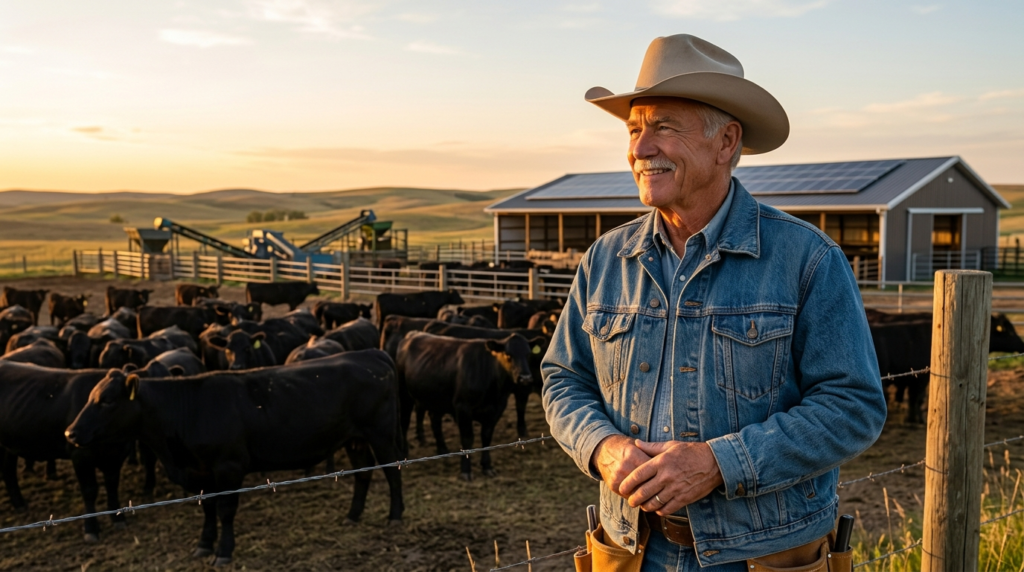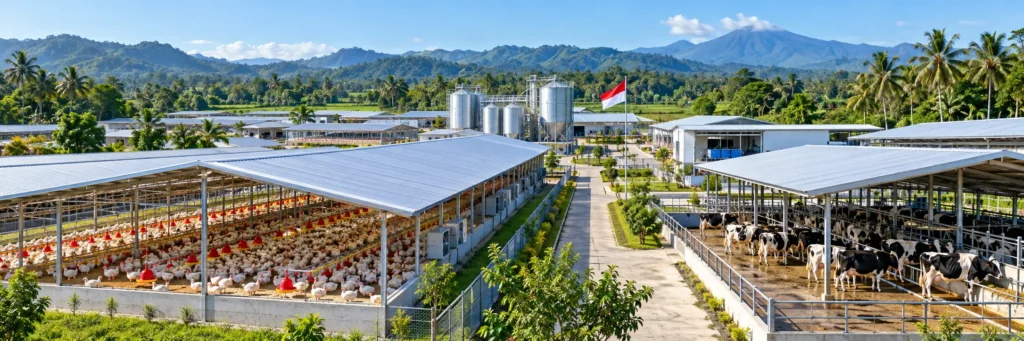
Indonesia is accelerating a major food-production push. The government is building five integrated livestock zones. These hubs will produce chicken, eggs, and milk. The Indonesian livestock zones aim to lift protein output sharply. In other words, the country wants stronger food security.
The zones sit across several provinces, not in one city. Their goal is a complete livestock supply chain. Additionally, they should cut costs and improve efficiency. Completion is targeted for 2027.
Where the Zones are Located?
The project spans five different Indonesian provinces. Each site will host a full production system. Importantly, these hubs are not located in Jakarta. The chosen regions reflect careful planning around supply.
The five livestock zones are being built in:
- Lampung
- East Java
- South Sulawesi
- West Nusa Tenggara
- Gorontalo
Each zone bundles several facilities together. They include animal feed mills and breeding sites. Poultry farms and egg production feature strongly. Dairy cattle processing rounds out the setup. Consequently, each zone covers upstream and downstream needs.
Investment and its Goals
Indonesia is backing the plan with major funding. The spending reflects a national food priority. The government wants secure, affordable protein for its people. The details below show the scale of ambition.
Funding the Livestock Push
The initial allocation reaches Rp2.2 trillion. That equals roughly $122.9 million in dollar terms. A broader budget goes much further, however. It reaches Rp17 trillion, or about $949.7 million. That larger sum supports a nationwide livestock ecosystem.
Agriculture Minister Andi Amran Sulaiman confirmed the plan. He said the government is accelerating an integrated ecosystem. It spans upstream to downstream production fully. He added that drilling work had already begun. In other words, construction is well underway.
Cutting Costs and Feeding Programs
Location choices reflect smart cost planning. Feed mills sit near major corn-producing regions. Bone and Soppeng in South Sulawesi are examples. That placement reduces feed logistics costs sharply. Therefore, production should become more efficient.
The zones also serve a national nutrition goal. They will supply the Free Nutritious Meal program. That program feeds citizens under a government scheme. President Prabowo Subianto directed the broader effort. Additionally, it strengthens the whole livestock supply chain.
How does Agri-zone expansion boost B2B trade demand?
The project opens clear opportunities for businesses. Feed suppliers and equipment makers stand to gain. Dairy and poultry processors will find new demand. Additionally, logistics firms can serve the new zones.
For B2B buyers and sellers, connections are key. Sourcing feed, livestock, and equipment takes strong networks. A global B2B marketplace helps firms find reliable partners. Such platforms link agricultural buyers with suppliers efficiently. That reach supports fast-growing sectors like this one.
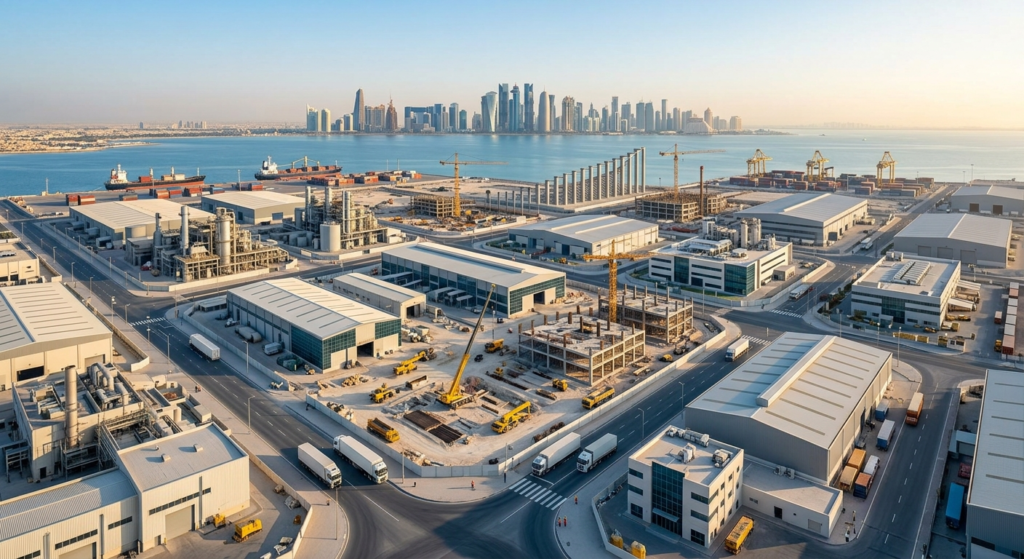
This push mirrors wider investment in food security. B2BInside has covered similar national growth drives. Our report on Qatar’s industrial base reaching $68 billion shows the pattern. Food and protein supply chains are also shifting globally. Our coverage of Pakistan’s seafood export boom reflects that trend.
Will Indonesia meet its 2027 goal?
The timeline is ambitious but underway. Construction has started at multiple sites already. Completion by 2027 would boost protein supply fast. However, execution across five provinces poses challenges.
Ultimately, the zones reflect a clear strategy. Indonesia wants self-sufficiency in key proteins. It also wants to cut import dependence over time. Yet coordination and funding must stay on track. For now, the livestock plan is moving forward.
Frequently Asked Questions (FAQs)
Indonesia is building five integrated livestock zones. Each will produce chicken, eggs, and milk. Completion is targeted for 2027.
They sit in Lampung, East Java, and South Sulawesi. West Nusa Tenggara and Gorontalo host the others. They are not located in Jakarta.
The initial allocation is Rp2.2 trillion, about $122.9 million. A broader budget reaches Rp17 trillion, near $949.7 million. That larger sum supports a national ecosystem.
The zones will produce chicken, eggs, and milk. Each includes feed mills and breeding facilities. They also feature dairy processing sites.
It wants to boost protein output and food security. The zones supply the Free Nutritious Meal program. They also cut logistics costs near feed sources.